Licensed across the United States
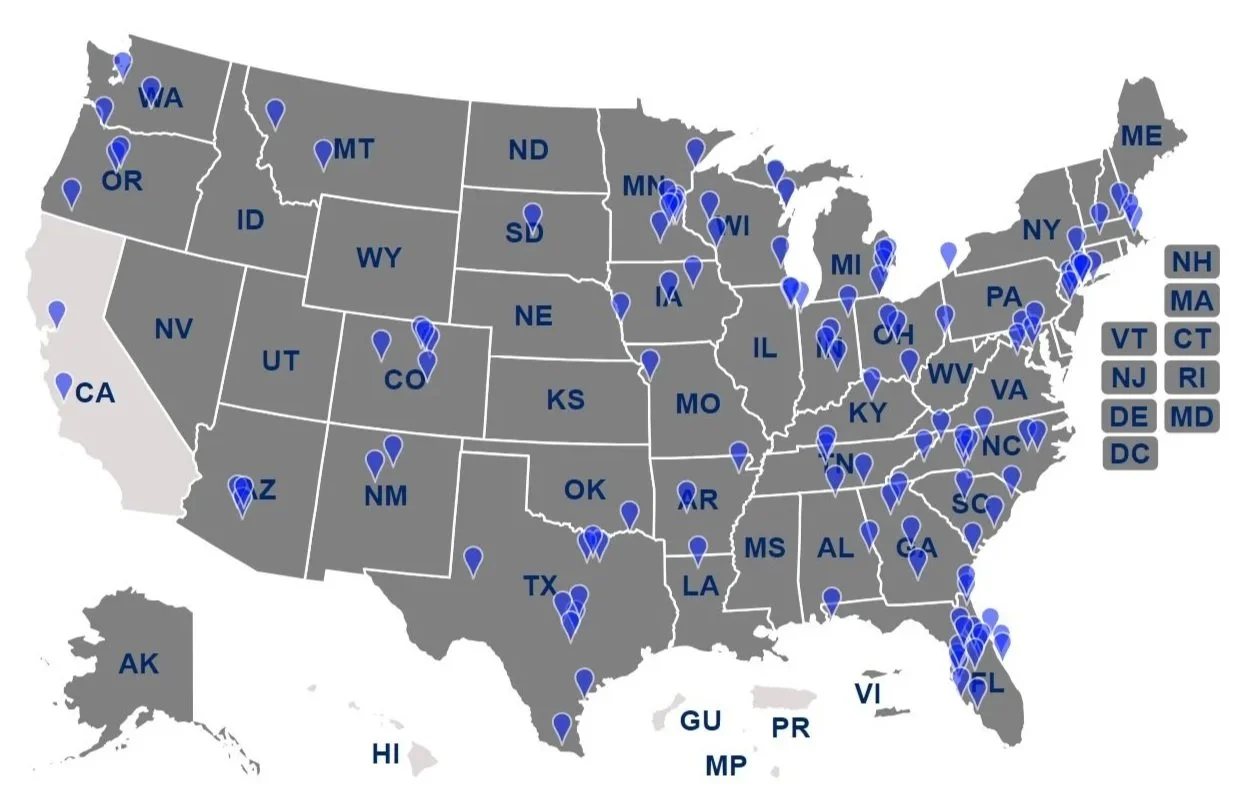

I am a licensed Professional Engineer with active registrations across 50 U.S. states and territories and more than 15 years of senior-level experience delivering high-performance structural solutions nationwide. My portfolio includes hundreds of projects—up to 550,000 square feet—across structural steel, reinforced concrete, wood framing, and masonry systems.
My work spans the full range of U.S. design environments, including high-seismic regions, hurricane and coastal zones, heavy snow climates, extreme wind corridors, and areas with complex soil conditions. This broad geographic experience allows me to anticipate region-specific risks and engineer structures that are resilient, efficient, and code-compliant in any setting.
I specialize in rigorous structural analysis, constructible detailing, and clear technical documentation. My practice includes peer-level technical reviews, forensic investigations, and performance evaluations of existing buildings. I am trusted by engineers, architects, and developers for practical, field-tested guidance grounded in real-world construction experience.
In addition to project delivery, I develop professional-grade engineering tools and design spreadsheets used by practicing engineers to improve accuracy, consistency, and efficiency. These resources reflect the same standards I apply to every project: precision and reliability.
With a strong foundation in risk management and value engineering, I help clients reduce change orders, control costs, and protect long-term asset performance—without compromising safety or durability.
Beyond consulting, I am actively engaged in industry education and professional development through speaking engagements, technical training, and mentorship. I am committed to advancing the structural engineering profession through ethical leadership, practical innovation, and resilient design.
Introduction
Seon Jack, P.E., M.ASCE
-
Assisting in the early stages of a project, providing input on conceptual and preliminary designs to ensure structural integrity while aligning with the architectural vision.
-
Ensuring that a structure can withstand the various loads and forces it may encounter during its lifespan, including gravity, wind, seismic activity, and live loads like occupants and furniture.
-
Foundation design is a crucial aspect of structural engineering that involves planning and engineering the base or substructure of a building or any other structure to ensure stability and load-bearing capacity. The foundation serves as the interface between a structure and the underlying soil or rock, distributing the loads from the building safely into the ground.
-
Deep foundation systems used to transfer structural loads to deeper, more stable layers of soil or rock below the surface. Pile foundations are particularly employed in areas with weak or variable soil conditions where shallow foundations may not provide sufficient support.
-
A podium slab refers to the horizontal, load-bearing surface. The podium slab is a critical component of this design, serving as the base or platform upon which the upper portions of the building are constructed.
-
Non-building structures refer to engineered structures that are constructed for various purposes outside the realm of traditional buildings, such as houses, offices, or commercial spaces. Some examples of non-building structures includes: carports, signs, retaining walls, etc.
-
A systematic and collaborative process aimed at maximizing the overall value of a construction project while minimizing costs.
-
Evaluations of the physical state and overall condition of a building or structure. These assessments are crucial for property owners, facility managers, and investors to understand the current status of a building, identify potential issues, and plan for maintenance or renovation. The assessments typically involve a thorough inspection, documentation, and analysis of various building components.
-
Renovation refers to the process of restoring or updating a building or structure, typically with the goal of improving its overall condition, functionality, or aesthetic appeal.
Adaptive reuse involves repurposing an existing building for a different function or use than it was originally designed for. This approach often involves a more significant transformation of the structure.
-
Providing expert advice, analysis, and solutions to individuals, businesses, or organizations. The goal is to leverage engineering expertise to help clients achieve their objectives efficiently and effectively.
-
Collaboration with architects, developers, contractors, and other stakeholders to ensure a coordinated and successful project outcome.
-
Investigating the root causes of buildings, structures and components. Assessing damages, and providing repair recommendations and expert opinions for legal and/or insurance purposes.
Areas of Expertise
-
Steel structures refer to buildings or frameworks that primarily use structural steel as the primary construction material. Steel is favored for its strength, durability, versatility, and cost-effectiveness, making it a popular choice for various construction projects.
-
Reinforced concrete structures are a common and widely used type of construction in which concrete, a composite material with high compressive strength, is reinforced with materials (like rebars) that provide additional tensile strength.
-
Masonry structures involve the construction of buildings or structures using individual units or elements that are bound together with mortar. These units can be made of various materials such as bricks, concrete blocks, stones, or clay tiles.
-
Use of timber or wood-based materials as the primary construction material for buildings and other structures. Wood has been a traditional and versatile material for construction, offering a combination of sustainability, aesthetic appeal, and structural performance.
-
Cold-formed steel has gained popularity in construction due to its efficiency, versatility, and strength characteristics. It is particularly well-suited for framing systems, providing an alternative to traditional wood or hot-rolled steel construction methods.
-
Engineered systems used to hold back soil or rock from a building, structure, or area to prevent erosion and landslides
-
Also known as shoring systems, are temporary or permanent structural systems designed to support the sides of deep excavations and prevent soil collapse during construction. They're critical in urban construction, and any situation where excavations are deeper than the soil’s angle of repose.
-
Residential buildings are structures designed and constructed for people to live in. They include Single-Family Homes, Multifamily Apartments, Townhomes and Condominiums.
-
Commercial buildings are structures designed and constructed for non-residential purposes, primarily for conducting business, providing services, or housing activities other than dwelling. These buildings serve various functions, accommodating offices, retail spaces, restaurants, and more.
-
Mixed-use buildings are structures that integrate multiple functions within a single development, combining residential, commercial, and sometimes industrial or institutional uses. The concept of mixed-use development is rooted in the idea of creating vibrant and walkable communities where people can live, work, and engage in recreational or retail activities within the same area.
-
Resorts and hotels are establishments that provide lodging, accommodations, and often additional amenities and services for travelers, tourists, or guests. While both offer places to stay, resorts typically provide a broader range of recreational and leisure facilities, creating an immersive experience for guests.
-
Religious buildings are structures designed and dedicated for religious practices, worship, and community gatherings.